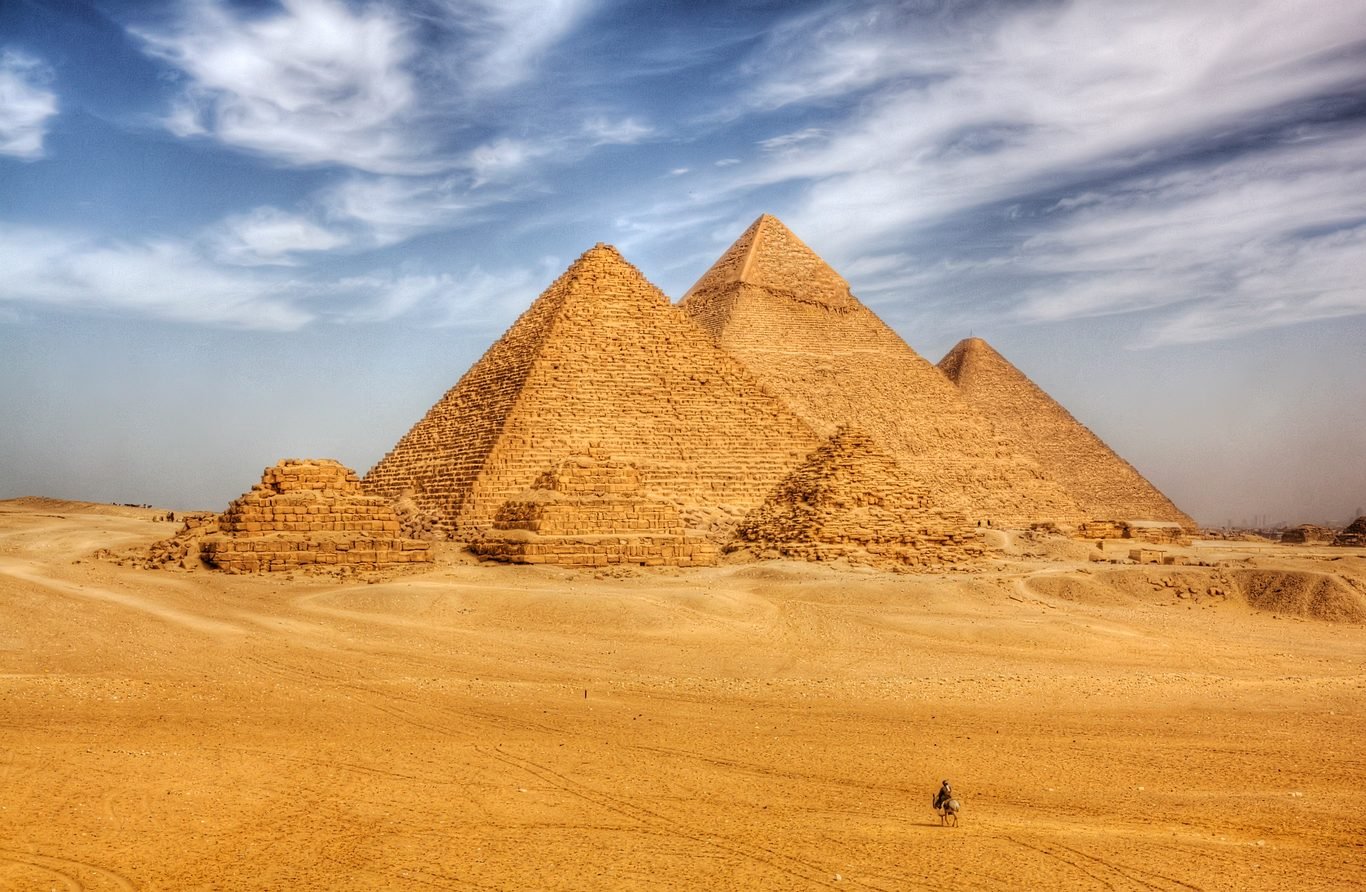
Most people think the Great Pyramid of Giza has four sides. But that’s not the full story. The base of the pyramid has four sides. But each face of the pyramid is not flat. Each face is slightly bent. That means the pyramid has eight sides when light and shadows hit it just right.
This was first noticed by researchers with precise measurements. They studied the shape of the stone blocks and how the faces change angle near the top. The change is small, but it is real. It has been confirmed by surveys and by satellite data.
So the Great Pyramid is not a simple four‑sided shape. It is more complex than we often think.
What Makes It Eight Sides?
The pyramid was built about 4,500 years ago. It was made with huge limestone blocks. The builders cut each block to fit just right.
When you look at the pyramid from far away, you see four big faces. But each of these faces is made of two flat surfaces. They meet at a small angle in the middle. This gives the appearance of eight faces under certain light.
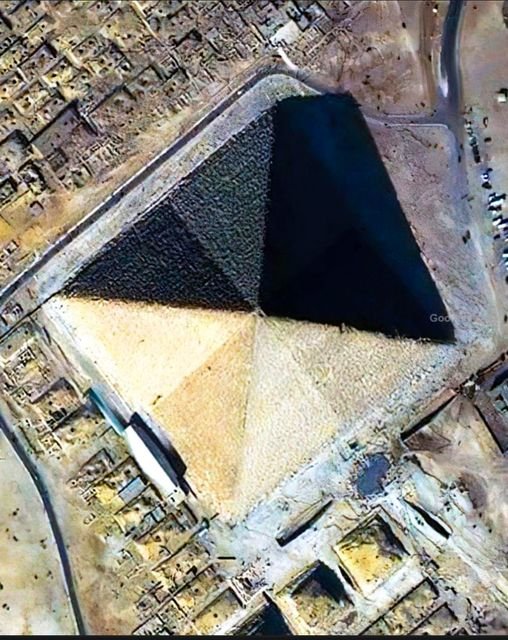
This was not an accident. It helped make the pyramid more stable. It also helped the structure catch the sun’s light in special ways.
Scientists used high‑resolution data from satellites and laser scanning. They measured the angles of the stone surfaces very carefully. They found that the upper and lower parts of each face are at slightly different angles.
This means each of the four faces is actually two faces. That makes eight big flat sections in total. The change is subtle, but it shows up clearly in accurate measurements.
Experts in Egyptology and archaeology have studied this for decades. They agree the eight‑sided shape is real. They do not think it means anything mystical or hidden.
Mike Parker Pearson, a well‑known archaeologist, said the shape is a result of careful planning by the builders. It shows their skill and understanding of geometry, not secret knowledge.
The Puzzle of Ancient Engineering
This discovery raises questions about how the ancient Egyptians built it. It suggests they had a deep understanding of geometry and construction techniques. They could plan and cut huge stones with great precision.
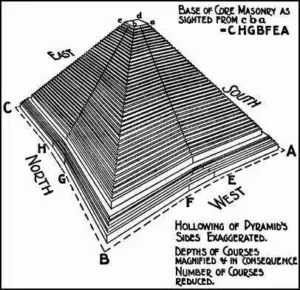
The slight curvature required careful craftsmanship. Builders had to calculate angles and fit stones exactly. This shows that engineering and architectural skill in ancient Egypt was advanced, far beyond what many people assume.
The pyramid’s design may have also helped it stay stable over thousands of years. Experts say the concave faces might reduce stress on the structure and prevent erosion from damaging it as easily.